
Key Takeaways
- Professional detailing can raise a car’s resale value by 5% to 15%, potentially adding $1,500 to $4,500 on a $30,000 vehicle
- A regular car wash only rinses the surface, while true detailing removes bonded contaminants and rebuilds protective layers most drivers never think about
- Road salt, UV rays, and everyday grime quietly cause paint and rust damage that detailing is specifically designed to stop before it starts
- A car’s interior can carry 2,000 or more bacteria per square inch compared to roughly 50 bacteria per square inch on a toilet seat, making cabin cleaning a health matter as much as a comfort one
Most people think of car detailing as something reserved for showroom cars or weekend hobbyists with too much free time. That mindset costs money. A vehicle is one of the largest purchases most people make, and like any major asset, it depreciates faster and breaks down sooner when it isn’t properly maintained. Detailing functions as a maintenance strategy that protects paint, preserves health inside the cabin, and keeps resale value from slipping away.
Detailing Can Add $1,500 to Resale
Here’s a number worth remembering: professional detailing can boost a vehicle’s resale value by 5% to 15%, according to market data on vehicle resale trends. On a $30,000 car, that range translates into an extra $1,500 to $4,500 back in a seller’s pocket, simply for keeping the vehicle clean and well cared for over its lifetime.
That premium exists because buyers pay for confidence. A spotless interior and a glossy, swirl-free exterior signal that the rest of the car was probably cared for just as carefully – the engine, the fluids, the brakes. Dealerships and private buyers alike use visual cues to size up a vehicle before they ever open the hood, and a well-detailed car simply looks like it has fewer surprises waiting.
Car Wash vs. True Detailing
A standard car wash is built for speed. Drive in, get rinsed, drive out – it knocks off surface dirt but leaves deeper problems untouched. Professional detailing works differently. It is a systematic process that goes past the visible layer, addressing wheel wells, door jambs, air vents, and seat tracks that a quick rinse never reaches. The gap between temporary shine and long-term protection is where detailing earns its value.
How Brushes Cause Swirl Marks
Older automatic car washes rely on spinning bristle brushes to scrub away grime, and those brushes have a dirty secret. They pick up sand, grit, and road debris from every vehicle that passes through the tunnel before yours. When those trapped particles rub against a car’s clear coat, they create tiny scratches known as swirl marks. A single pass might not show visible damage, but repeated trips through an abrasive wash slowly dull a car’s finish, and the effect is especially noticeable on dark-colored paint under direct sunlight.
When Chemicals Strip Wax
Touchless car washes solve the brush problem by using high-pressure water and strong chemical cleaners instead of physical scrubbing. That sounds safer, but it introduces a different risk. The potent detergents needed to blast away dirt without contact don’t distinguish between grime and a car’s protective wax or ceramic coating. Over repeated washes, those chemicals strip away the very barrier meant to shield the paint, leaving it exposed to sun damage and oxidation sooner than expected. Inadequately filtered recycled water at some facilities adds another problem, leaving behind mineral deposits and stubborn water spots.
Shielding Paint From Decay
Paint takes a beating every single day a car sits outside or drives down the road. Detailing exists largely to slow that decay, using techniques and protective products that a basic wash simply doesn’t include.
UV Rays and Oxidation
Sunlight might seem harmless, but constant UV exposure breaks down a clear coat over time, leading to fading, chalky discoloration, and a loss of shine known as oxidation. Waxing and sealants applied during detailing create a barrier that blocks those UV rays before they reach the paint. Polishing also plays a role here, smoothing out the microscopic scratches that scatter light and make a finish look dull instead of glossy.
Road Salt and Corrosion
Winter driving means regular contact with road salt and chemical de-icers, and both are aggressive threats to a car’s body and frame. These substances bond to paint and metal, accelerating rust in wheel wells, door jambs, and the undercarriage. Detailing strips off these corrosive residues before they cause lasting harm, then applies protective sealants that make the next round of winter grime easier to remove. Skipping this step for a few seasons in a row is often how minor surface rust turns into an expensive structural repair.
A Healthier, Safer Cabin
Detailing protects the people riding inside a vehicle, too, a benefit many drivers overlook entirely.
Germier Than a Toilet Seat
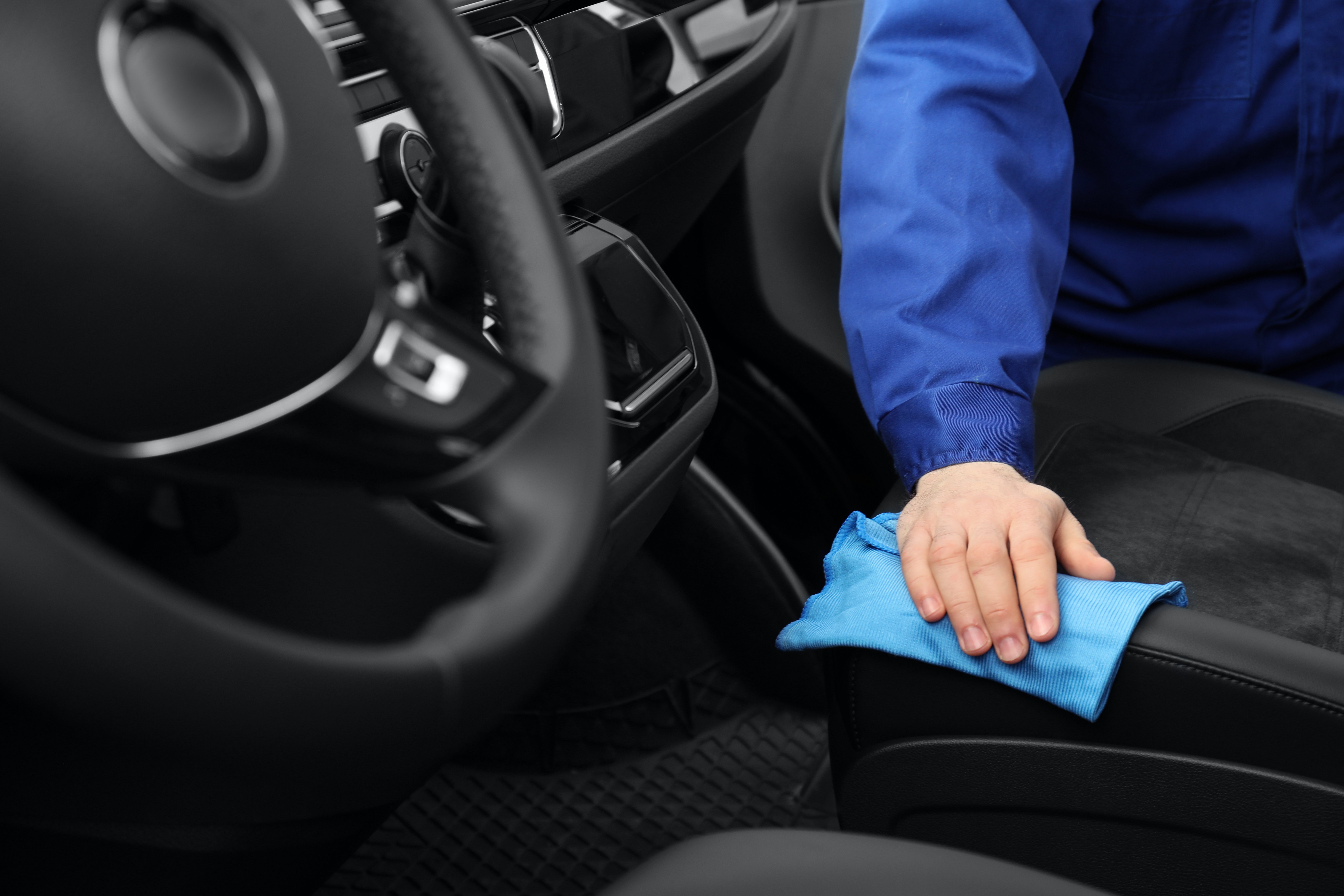
A car’s interior can carry 2,000 or more bacteria per square inch, compared to roughly 50 bacteria per square inch on a public toilet seat, especially on high-touch surfaces like the steering wheel, gear shift, and door handles. Steam cleaning used in professional interior detailing reaches deep into upholstery and carpet fibers, killing bacteria, dust mites, and allergens without relying on harsh chemicals. For anyone with allergies or young kids who spend a lot of time in the back seat, that deep-clean process does more for comfort than any air freshener ever could. Odor removal works the same way, neutralizing smells from food, pets, or smoke at the source rather than masking them.
Clear Glass Improves Visibility
Interior glass builds up a hazy film over time from off-gassing dashboard plastics, and that film becomes dangerous glare during night driving or rainstorms. Detailing includes deep glass cleaning that removes this residue completely, restoring a clear, streak-free view. Clean headlights and taillights matter just as much, since cloudy or yellowed lenses reduce visibility and make a car look neglected even when the rest of it is in good shape.
The Real Return on Detailing
Every dollar spent on detailing works like a small investment rather than an expense. Preventing premature wear on leather, rubber, and paintwork means avoiding costly repairs later, whether that’s replacing cracked seat covers or restoring foggy headlights. Reactive repairs almost always cost more than the preventative maintenance that could have avoided them in the first place.
The payoff shows up most clearly at resale or trade-in time. A car with a documented history of regular detailing tells a buyer a story of careful ownership, and that story is worth real money. Compare two nearly identical used vehicles side by side: one with stained upholstery, cloudy headlights, and dull paint; the other with a clean cabin, clear glass, and a glossy finish. Buyers consistently gravitate toward – and pay more for – the second option, even when the mechanical condition underneath is the same.
Detailing Protects Value, Not Vanity
Reframing detailing as protection rather than pampering changes how a car owner budgets for it. Paint preservation guards against permanent damage from tree sap, bird droppings, and road grit. Interior cleaning protects both the materials inside the cabin and the health of everyone riding in it. Consistent care throughout ownership adds up to a stronger resale number when the time comes to sell or trade in.
Car owners looking for a starting point can find flexible options built around real schedules, including mobile car detailing that comes straight to a driveway or office parking lot instead of requiring a trip across town.
Detail Dudes
hello@detaildudes.pro
+1-630-286-9596
4209 Belle Aire Ln
Downers Grove
Illinois
60515
United States


